


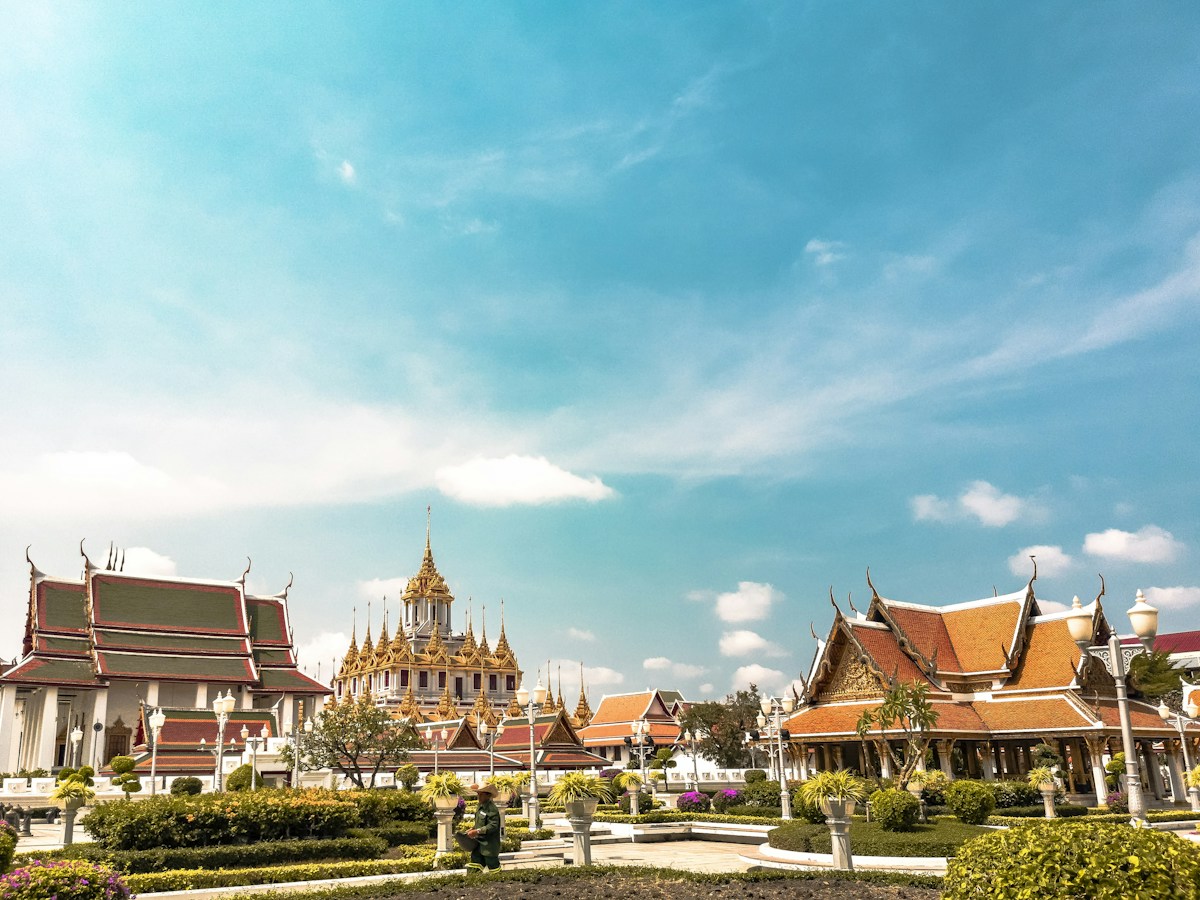
Buddhist traditions profoundly influence daily life in Thailand, governing aspects such as festivals, social behaviors, and spiritual practices. Temples play a central role in the community.
The Role of Buddhist Temples
In Thailand, Buddhist temples, or "wats," are at the heart of community life. They serve not only as places of worship but also as educational and social centers. Thais participate in daily rituals and religious ceremonies, thereby strengthening community bonds.
Buddhist Festivals and Ceremonies
Buddhist festivals, such as Songkran (Thai New Year) and Loy Krathong, are key moments of the year. They influence the rhythm of daily life, with public holidays and celebrations that involve the entire population.
Spiritual Practices and Social Behaviors
Buddhist values, such as compassion and respect, shape social interactions. The teachings of the Buddha encourage ethical and harmonious conduct, thus influencing interpersonal relationships and lifestyle in general.
Impact on Education and Family Values
Education in Thailand often incorporates Buddhist principles, especially in traditional schools. Family values are also imbued with Buddhist philosophy, emphasizing respect for elders and community responsibility.
Conclusion
Buddhist traditions are an integral part of Thai culture, influencing various aspects of daily life. To learn more about local customs and traditions, check out our comprehensive guide: Discover Thai Customs in 2026: A Guide for Expatriates.