


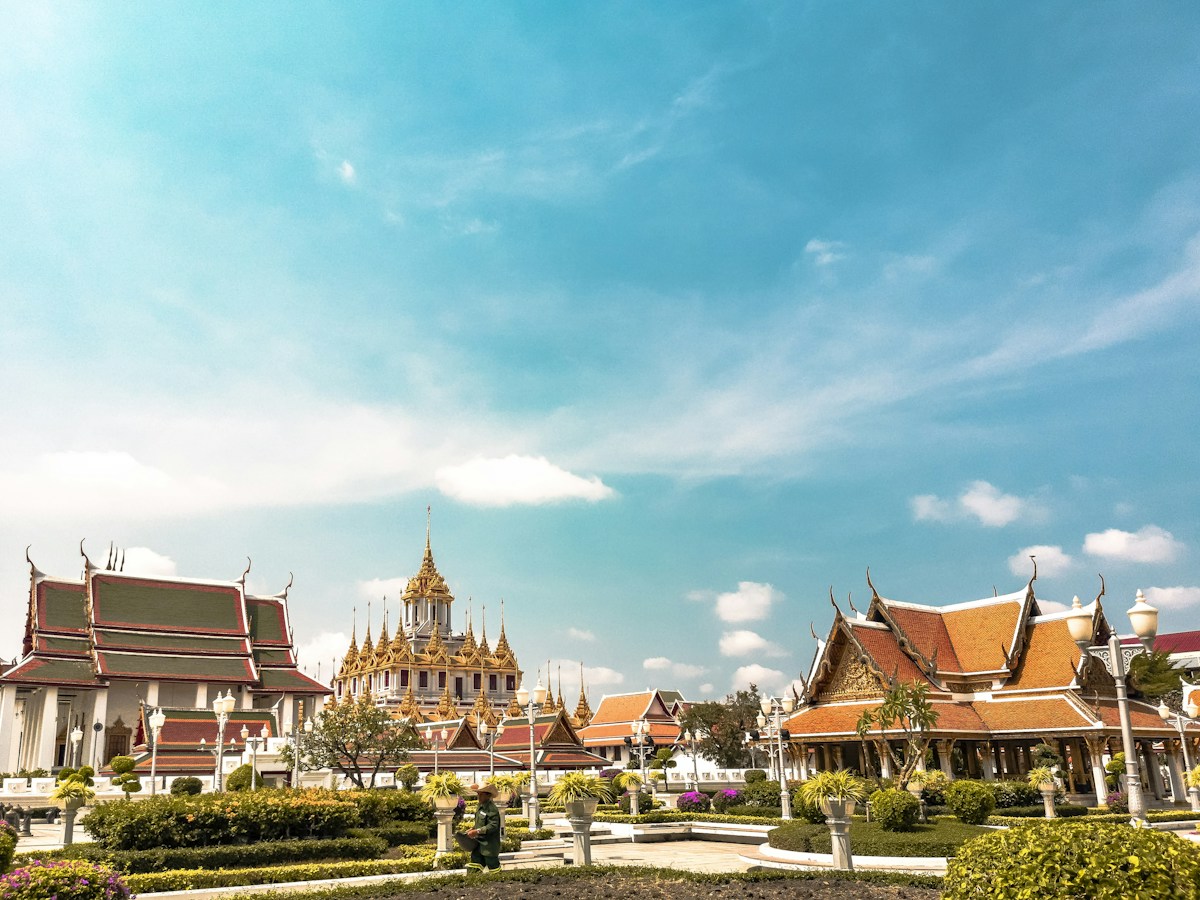
The major differences in inheritance between Thailand and Europe include legal structures, inheritance rights, and taxes. In Thailand, succession is governed by the Civil and Commercial Code, while in Europe, it varies by country.
Legal Structure in Thailand and Europe
In Thailand, the Civil and Commercial Code regulates inheritances, with specific rules regarding legal heirs and wills. In Europe, each country has its own succession laws, often influenced by civil law or common law, depending on the region.
Heir Rights
In Thailand, legal heirs include the surviving spouse and children, but parents and siblings may also be considered. In Europe, heir rights vary, but spouses and children are generally prioritized.
Inheritance Taxation
Thailand imposes an inheritance tax on assets exceeding a certain value. In Europe, taxes vary significantly: some countries impose heavy taxes while others offer exemptions.
Procedures and Formalities
The procedures for settling an estate in Thailand can be complex and often require the involvement of a lawyer. In Europe, the formalities depend on the country but generally involve a declaration of inheritance and transfer taxes.
Additional Resources
For more information, check out the article Inheritance and Succession in Thailand 2026 for detailed insights.
🔗 Official Sources
⚠️ Disclaimer
This article is provided for informational purposes only and does not constitute legal advice. Laws and regulations vary by country and are subject to change. Consult a qualified professional for your specific situation.